
The principle is deliberately kept simple. A spoken sentence serves as the starting point. Several controls can be used to modify typical elements of populist rhetoric: simplification, emotionalization, us-versus-them logic. AI analyzes the inputs and generates a new version of the statement, which is spoken aloud by an avatar. This makes it possible to hear and see how language changes—and how quickly content can be exaggerated.
Lisa's approach is clear: first experience, then classification. Populism is effective not because it is logically convincing, but because it appeals to emotions. This is exactly where Echo Chamber comes in. Instead of warning with a raised index finger, the project invites users to experiment for themselves. Anyone who turns the controls quickly notices how familiar some patterns sound – and how difficult it is to “turn them back.”
In her research, Lisa has dealt intensively with populist communication, social media, and political opinion-forming. The focus is particularly on young people: a target group that is confronted with a lot of political content but often has little space to reflect on its mechanisms. Echo Chamber creates precisely this space – in a playful, open manner, without judgement.
During the initial presentations, it became clear how powerful the project is. Visitors stopped, listened, and tried it out. This was often followed by a brief moment of laughter—and then reflection. Discussions arose about where such statements had been heard before, why they work, and how they can be countered. Not through bans or isolation, but through understanding and media literacy.
At the same time, it became clear that the project is sensitive. Working with AI, the proximity to real political rhetoric, and the danger of exaggeration require care. For Lisa, that's part of the job. For her, design is not about providing simple answers, but about taking responsibility – for impact, context, and possible misunderstandings.
She therefore sees Echo Chamber not as a finished object, but as a catalyst for discussion. Further developments for educational contexts, workshops, or exhibitions are conceivable. Always with the aim of strengthening resilience rather than dictating opinions—and empowering people to perceive language more consciously.
What sets Lisa's work apart is her clear social perspective. For her, design is not an end in itself, but a means of making complex topics accessible and promoting critical thinking. Especially at a time when political communication is becoming louder, faster, and more emotional.
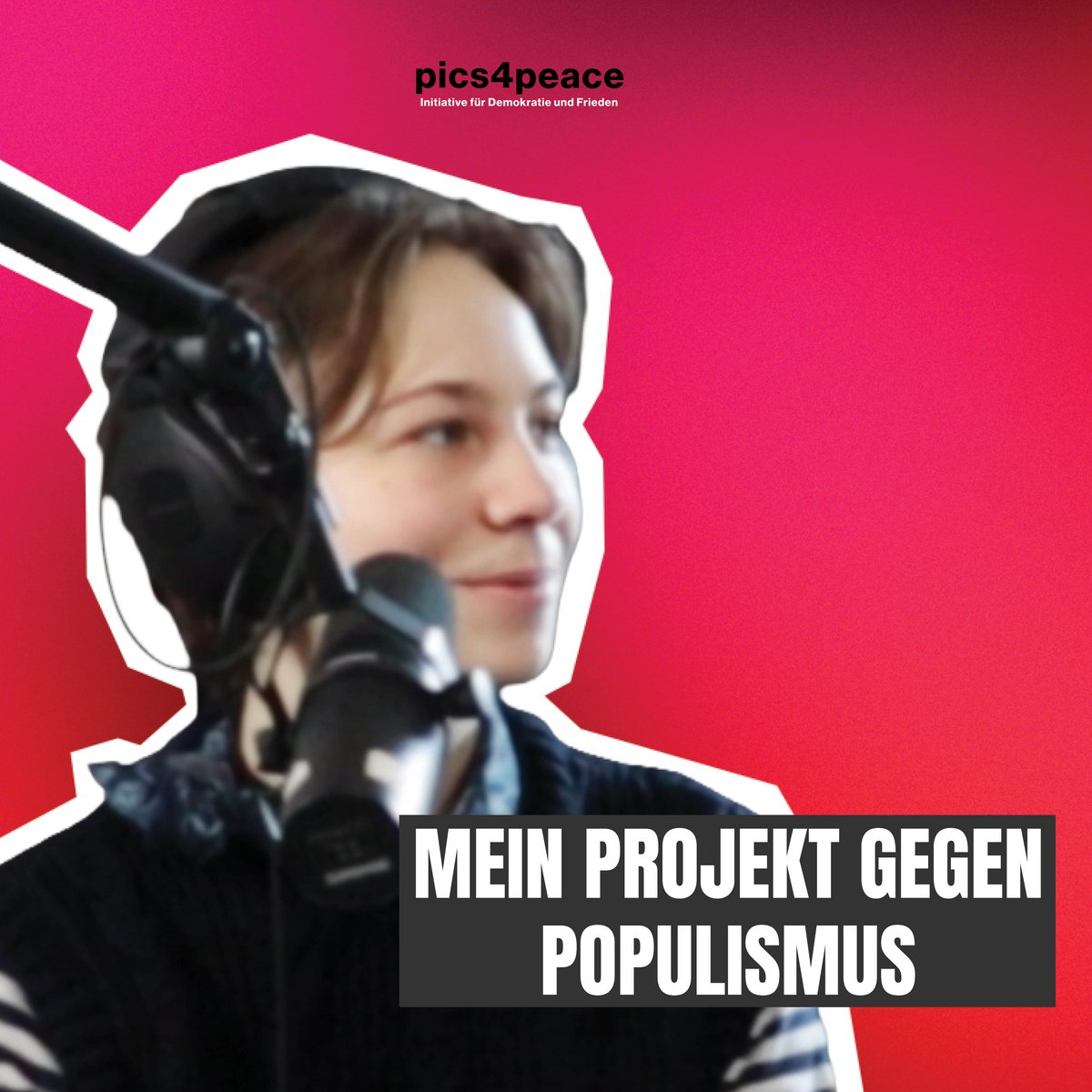
You can listen to the complete episode with Lisa on the PEACE OUT podcast, available wherever podcasts are available.